

Challenges Faced by Network Cable Installers in the U.S.
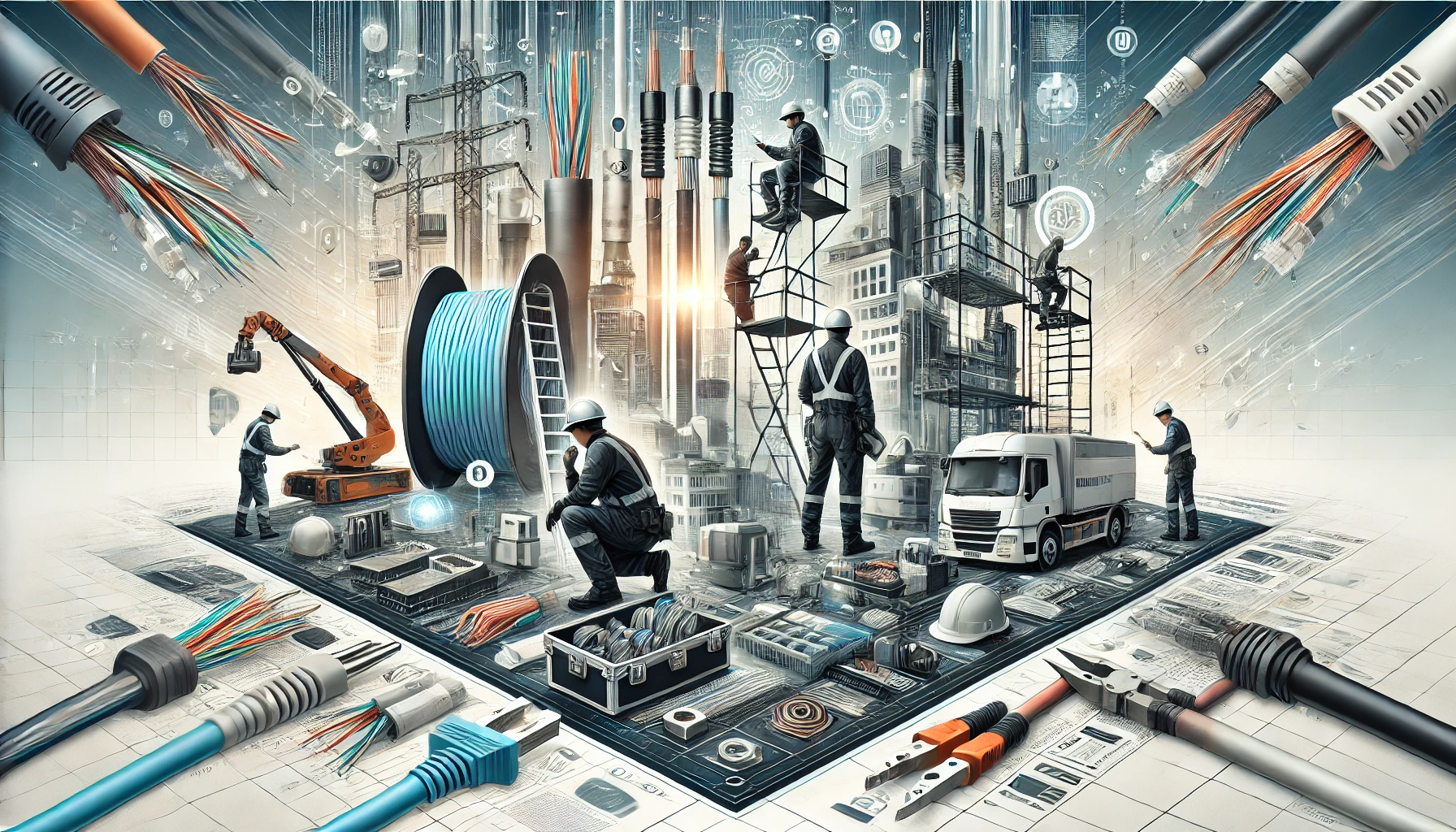
Network cable installers in the U.S. face several challenges in today’s environment. These challenges can impact the efficiency, safety, and overall success of their work. Here are some of the main difficulties they encounter:
1. Evolving Technology:
- Rapid Technological Advances: As technology evolves, installers need to continuously update their skills and knowledge. New standards like Cat6, Cat6a, Cat7, and fiber optics require specialized training and equipment.
- Integration with Wireless Technologies: The increasing use of wireless networks and the shift towards 5G can sometimes reduce the demand for traditional cabling, requiring installers to adapt.
2. Supply Chain Issues:
- Material Shortages: Global supply chain disruptions, exacerbated by events like the COVID-19 pandemic, have led to shortages of essential materials like copper, which is critical for cable manufacturing.
- Delays and Increased Costs: Supply chain issues can cause delays in project timelines and increase the cost of materials, making project management more challenging.
3. Labor Shortages:
- Skilled Labor Deficit: There is a shortage of skilled technicians in the industry, leading to increased competition for qualified workers. This can result in longer project timelines and higher labor costs.
- Aging Workforce: Many experienced cable installers are nearing retirement, and there are not enough younger workers entering the field to replace them.
4. Regulatory and Compliance Challenges:
- Building Codes and Standards: Installers must adhere to stringent local, state, and federal regulations, including building codes and safety standards. Keeping up with these regulations can be challenging and time-consuming.
- Permitting Delays: Obtaining the necessary permits for installations, especially in urban areas, can be a lengthy process, leading to project delays.
5. Safety Concerns:
- Physical Hazards: Cable installers often work in challenging environments, such as confined spaces, high elevations, or construction sites, where they are exposed to physical hazards.
- Electrical Risks: Working near electrical wiring poses risks of shock or injury, requiring installers to follow strict safety protocols.This is why installers often use plenum-rated cables, which are designed to resist fire and minimize the spread of toxic fumes, providing an added layer of safety in air circulation spaces.
6. Competition and Pricing Pressures:
- High Competition: The network cabling industry is highly competitive, with many small and large companies vying for contracts. This competition can drive down prices, putting pressure on profit margins.
- Client Expectations: Clients often demand high-quality work at lower costs, making it difficult to balance quality and profitability.
7. Environmental and Sustainability Concerns:
- Eco-friendly Materials: There is a growing demand for environmentally friendly and sustainable materials, which can be more expensive or harder to source.
- Waste Management: Disposing of old cables and equipment in an environmentally responsible manner adds complexity to projects.
8. Project Complexity:
- Large-scale Projects: As data centers and smart buildings become more prevalent, the complexity of cabling projects increases. These projects require careful planning, coordination, and execution.
- Integration with IoT: The rise of the Internet of Things (IoT) and smart devices means that installers must integrate cabling with a broader range of technologies, adding complexity to their work.
9. Cybersecurity Concerns:
- Data Security: With the growing concern over cybersecurity, installers must ensure that the network infrastructure they set up is secure, which may involve additional training and knowledge.
10. Weather and Environmental Factors:
- Extreme Weather: Installers working in regions with extreme weather conditions, such as hurricanes, snowstorms, or heatwaves, face additional risks and challenges. Weather can delay outdoor installations and impact material integrity.
These difficulties require network cable installers to be highly adaptable, well-trained, and prepared to handle a range of challenges in their day-to-day work.


Join our newsletter
Get our emails for info on new items, sales and much more.
Register now to get latest updates on promotions & coupons. Don’t worry, we not spam!

A Cable Manufacturer
We manufacture premium products according to USA standards
Need Help?
Store Information
- -50% for Cat6 Plenum order in this week Shop now
- Free delivery for all orders
Copyright 2026 © Cable Spectrum. All right reserved.
