

Trends and Statistics in Ethernet Cable Installation: A 2020-2024 Overview
Date
September 6, 2024
Category
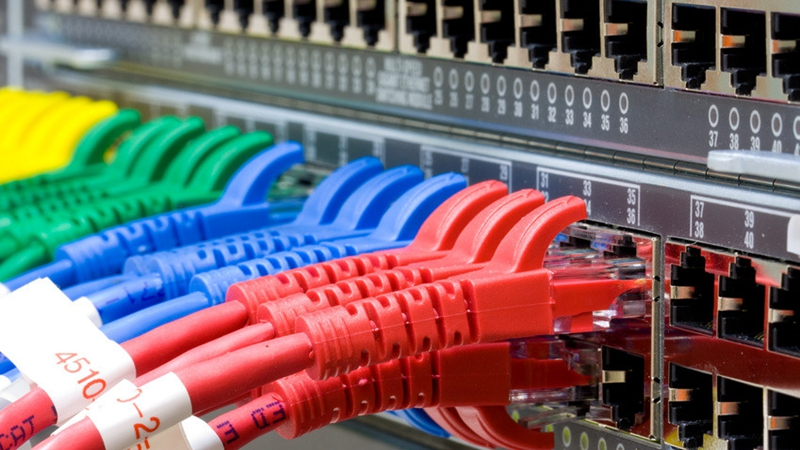
Here’s a general overview of Ethernet cable installation trends and statistics from 2020 to 2024, reflecting the shift in usage patterns:
Cat5e
- Market Share: Declined from around 60% in 2020 to approximately 40% by 2024.
- Reasons for Decline: New installations have increasingly favored Cat6 for its superior performance. However, Cat5e remains in use for existing networks and budget-sensitive installations.
Cat6
- Market Share: Increased from about 30% in 2020 to approximately 50% by 2024.
- Growth Drivers: Higher demand for gigabit and multi-gigabit speeds, improved performance, and cost-effectiveness compared to Cat6A and higher categories.
Cat6A
- Market Share: Rose from around 5% in 2020 to about 10% by 2024.
- Reasons for Growth: Adoption in commercial buildings, data centers, and environments requiring 10 Gbps speeds. Its performance benefits in certain scenarios have driven its increased use.
Cat7 and Cat8
- Market Share: Remained relatively low, around 2-5% of the market, from 2020 to 2024.
- Usage: Primarily used in specialized applications such as high-performance data centers and high-speed networking environments.
General Trends
- Urban vs. Rural: Urban areas have seen a faster adoption of Cat6 and Cat6A due to higher networking demands. Rural and suburban areas continue to use Cat5e more frequently, though Cat6 is becoming more common in new installations.
- Commercial vs. Residential: Cat6 and Cat6A are more prevalent in commercial installations due to their higher performance needs. Residential installations still use Cat5e to some extent but are gradually shifting towards Cat6.
Key Drivers of Change
- Increased Internet Speeds: Growing demand for higher speeds and better performance in both residential and commercial networks has accelerated the adoption of Cat6 and Cat6A.
- Technological Advancements: As network technology advances, higher-category cables like Cat6A are being adopted for their enhanced capabilities.
- Cost Considerations: While Cat5e remains cost-effective, the decreasing price gap between Cat5e and Cat6 has encouraged more upgrades.
These statistics provide a broad view of the shifting trends in Ethernet cable installations and highlight the increasing preference for higher-performance cables over the years.
Please follow and like us:


Join our newsletter
Get our emails for info on new items, sales and much more.
Register now to get latest updates on promotions & coupons. Don’t worry, we not spam!

A Cable Manufacturer
We manufacture premium products according to USA standards
Need Help?
Store Information
- -50% for Cat6 Plenum order in this week Shop now
- Free delivery for all orders
Copyright 2026 © Cable Spectrum. All right reserved.
